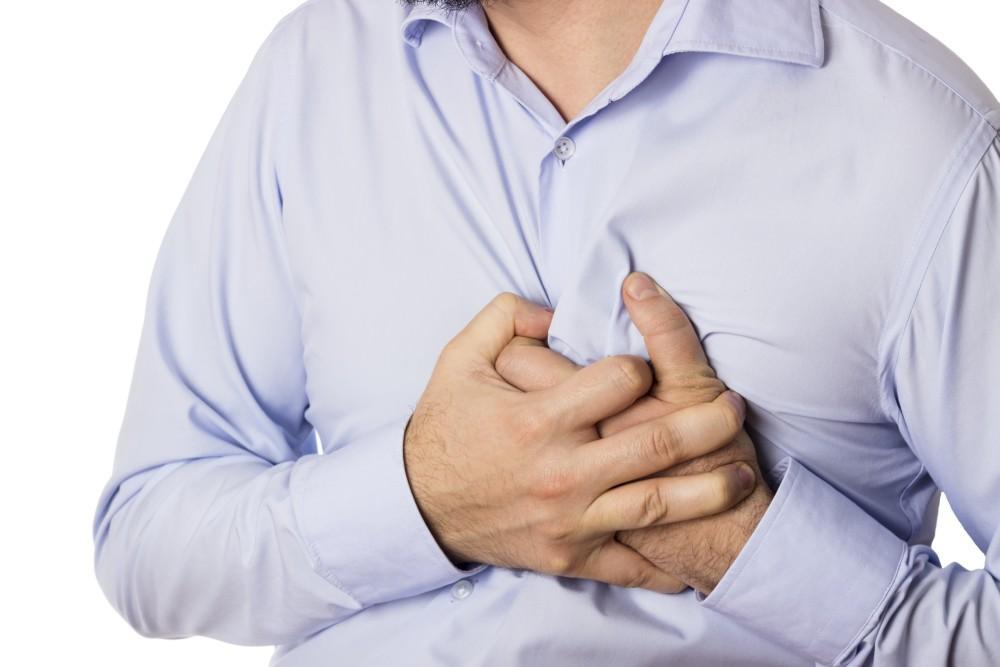
Your chest cavity houses more than just your heart. It’s also home to your lungs, esophagus, thymus, trachea, and diaphragm, not to mention several bones, arteries, and muscles. So when you have chest pain, it could stem from a problem with any of these body parts or systems.
Often, chest pain is minor and nonthreatening, but that doesn’t mean you should ignore it. Until you get a professional diagnosis, you can’t be sure if you’re dealing with temporary acid reflux or a serious coronary disease.
At South Palm Cardiovascular Associates in Boynton Beach, Florida, our board-certified cardiologists can help you get to the bottom of your chest pain using state-of-the-art diagnostic tools and evidence-based treatments.
In this blog, our experts break down the most common causes of chest pain.
Chest pain that doesn’t involve your heart
Not all chest pain points to your heart. In many cases, the pain stems from a condition completely unrelated to your heart. Possible non-heart-related problems include:
- Bruised or broken ribs
- Strained muscles
- Heartburn, a symptom of acid reflux or GERD
- Gastritis
- Asthma
- Gallstones
- Stomach ulcers
- Panic attacks
- Pneumonia
- Bronchitis
Although the pain from these conditions differs from the pain that occurs during a heart attack, if it’s your first time experiencing it, you may not be able to tell the difference. But we can. See a cardiologist at South Palm Cardiovascular Associates to find out exactly what’s causing your discomfort.
Heart-related chest pain
Several conditions can affect your heart and cause chest pain and other symptoms. The most common heart conditions include myocarditis, pericarditis, aortic dissection, heart valve disease, and coronary artery disease.
Myocarditis
Myocarditis occurs when your heart muscles become inflamed. In addition to chest pain, myocarditis can cause arrhythmias, shortness of breath, fatigue, and leg swelling.
If a viral infection triggers myocarditis, you may also experience a fever, body aches, joint pain, and a sore throat.
Pericarditis
Pericarditis occurs when the tissues surrounding your heart become inflamed. Most people describe the pain as sharp or stabbing, but you could also have dull, achy pain. Pericarditis pain often occurs in the left neck or shoulder and may worsen when you lie down, swallow food, or take a deep breath.
Aortic dissection
Aortic dissection occurs when the inner layers of the aorta — the large artery that carries blood from the heart to your body — tear. This is a rare condition that may feel like a heart attack or stroke and is just as serious.
Symptoms of an aortic dissection include sudden, severe chest or upper back pain, shortness of breath, difficulty speaking, loss of vision, and loss of consciousness.
Heart valve disease
Heart valve disease occurs when one or more valves in your heart don’t work properly. It’s common to have chest pain, abdominal swelling, dizziness, shortness of breath, an irregular heartbeat, and swelling in your ankles and feet.
Coronary artery disease
The most common heart disease is called coronary artery disease, and it develops when fatty plaque builds up in your coronary arteries and blocks blood flow. This deprives your heart of oxygen and causes chest pain. This type of chest pain is called stable angina.
The difference between angina and a heart attack
Any activity that makes your heart work harder can lead to angina pain if your arteries are partially blocked. It typically occurs when you climb stairs, walk, or run, and the pain goes away as soon as you rest or take nitrate medication.
In contrast, a heart attack causes sudden chest pain with or without physical activity, and it doesn’t improve with rest. In fact, the symptoms get worse. With a heart attack, you’re also more likely to have other symptoms as well, such as pain in your jaw, neck, arm, or back, as well as shortness of breath, nausea, or lightheadedness.
Chest pain is an expected symptom of many different conditions, including some serious heart problems, but it’s never normal. To find out what’s causing your chest pain, contact our Boynton Beach office to book an appointment today,